
September 30, 2026
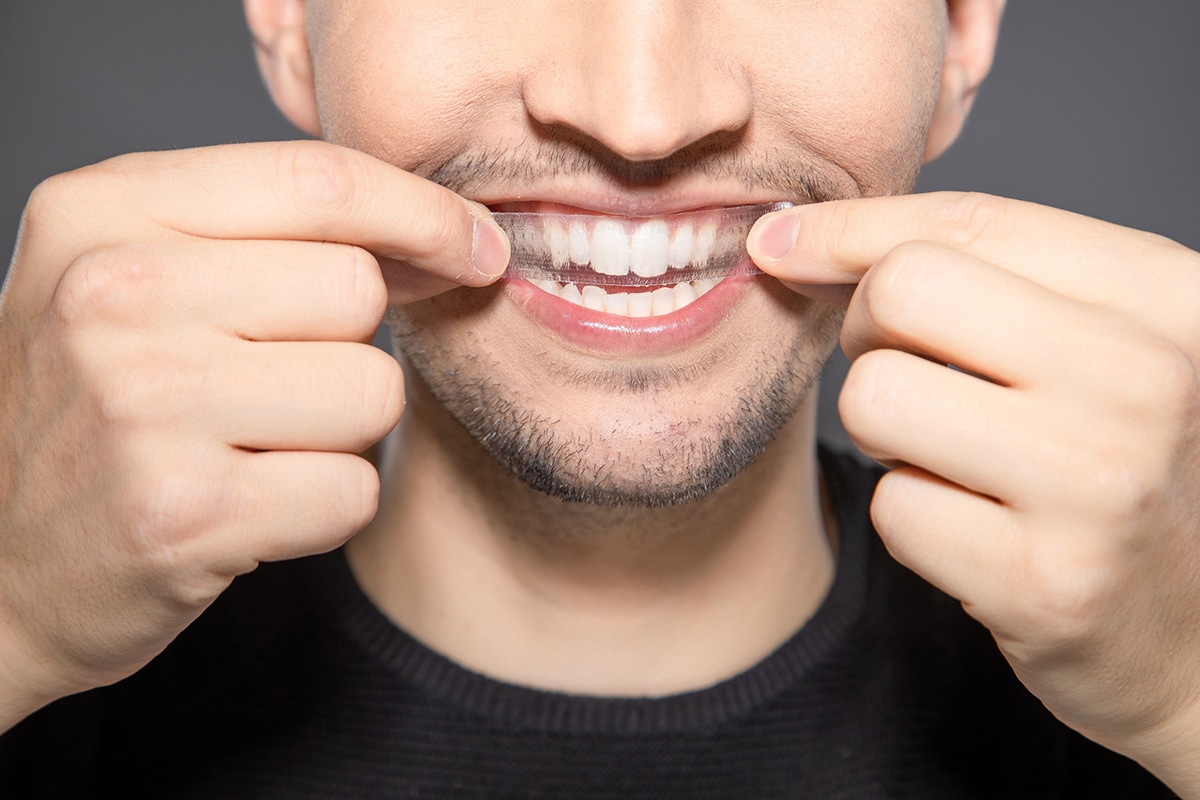
A brighter smile sounds appealing — until you remember that your teeth already react to cold drinks or sweet foods. At Palm Valley Family Dentistry, we talk with patients about this exact concern regularly. Sensitive teeth can make you wonder whether whitening is even worth trying.
Here's what we want you to know: many people with sensitivity do achieve great whitening results, particularly when a dentist helps map out the approach. Before you decide, it helps to understand what the process actually involves, why some people feel discomfort, and how we work to prevent it. We put together this guide to walk you through each piece.
How Professional At-Home Whitening Works
With professional at-home whitening, the process starts at our office. We take a precise mold of your teeth and use it to fabricate custom trays sized specifically to your mouth. That snug fit keeps the bleaching gel where it needs to be — against your enamel — while reducing contact with your gum tissue.
Once you have your trays, you fill them with a carbamide peroxide gel and wear them according to our directions. At-home professional gels typically contain between 10% and 38% carbamide peroxide. When that gel meets your teeth, it releases hydrogen peroxide, which reacts with discoloring compounds embedded in your enamel and dentin. Breaking down those compounds gradually shifts your tooth color to a noticeably lighter shade.
One thing we always mention before treatment begins: whitening gel responds only to natural tooth structure. Porcelain crowns, implant crowns, veneers, and composite restorations will not change color. We discuss this with every patient ahead of time so you know exactly what to expect.
Why Whitening Sometimes Triggers Sensitivity
Tooth sensitivity is the most frequently reported reaction to whitening treatments, and it can affect up to two-thirds of people during the first days of use. For most people, however, it stays manageable and fades on its own. Research shows that tray-based whitening tends to trigger sensitivity within the first couple of days, and most people no longer notice it by the fourth day after finishing a session.
Two variables play the biggest role in how much sensitivity you might experience:
- Peroxide strength — More concentrated gels can increase the likelihood and intensity of sensitivity.
- Wear duration — The longer the gel sits against your teeth, the greater the chance that peroxide reaches the tooth's inner nerve.
Both factors are adjustable. If you already experience regular tooth sensitivity, we encourage you to let us evaluate your teeth before you begin. There may be an underlying reason for your sensitivity that we should address first, and knowing that helps us build a whitening plan that truly suits your situation.
How We Reduce Discomfort During Whitening
Feeling some sensitivity does not mean your whitening journey has to stop. We offer a range of options for making the experience more comfortable, and we tailor them to each patient.
Ways We Help Manage Sensitivity
- Desensitizing toothpaste — Formulas containing potassium nitrate quiet the nerve signals inside your teeth. We often recommend starting these a week or two before treatment.
- Fluoride applications — Fluoride reinforces enamel structure and can reduce sensitivity. We apply fluoride in-office and may also recommend a take-home prescription version.
- Adjusted wear time — Cutting down how long you wear the trays each session lessens peroxide exposure and often brings noticeable relief.
- Planned rest days — Giving your teeth a day or two between sessions lets them recover before the next application.
- A lower-strength gel — Starting with a gentler formula and gradually increasing strength can make the process much more tolerable.
A pre-whitening exam also plays a key role. Sensitivity doesn't always come from whitening — a small cavity, early gum recession, or a filling that needs attention can be the real culprit. We sort through those possibilities before you start so nothing gets overlooked. When your teeth are in good shape, you can pursue whitening with confidence.
Ready to explore your options? Visit our teeth whitening page to learn more about what we offer, or reach out with any questions.
Ready to Brighten Your Smile?
Sensitive teeth do not have to stand between you and a whiter smile. Professional at-home whitening uses a dentist-designed custom tray system and a carefully chosen bleaching gel to gradually lighten your teeth. While some sensitivity along the way is possible, it is typically mild and short-lived. With the right gel strength, adjusted wear times, and supportive products like desensitizing toothpaste, most patients manage the process comfortably.
We think the smartest starting point is always a thorough look at your oral health. Identifying and resolving any existing issues before treatment helps make your whitening experience both effective and comfortable. If you're in or around Ponte Vedra Beach and want to move forward, we're here to help you build a plan you can feel good about.
Frequently Asked Questions About Teeth Whitening
Can I whiten my teeth if I already have sensitivity?
In many cases, yes. The key is letting us evaluate your teeth first. We want to rule out cavities, gum irritation, or failing restorations that might be driving your sensitivity before treatment begins. Once we confirm your teeth are ready, we can design a gentle whitening approach that minimizes discomfort.
How long will sensitivity last after whitening?
Most people notice sensitivity within the first one to two days of using whitening trays, and it usually clears up by the fourth day after a session. Some patients feel very little at all. If you find the discomfort harder to manage, let us know — we can make adjustments quickly.
Is a more powerful whitening gel always the best option?
Not necessarily. While higher-strength gels can speed up the whitening process, they also raise the odds of sensitivity. For patients whose teeth already react easily, we usually recommend starting with a gentler gel concentration. Slightly slower progress is a worthwhile trade-off for a more comfortable experience.
Could whitening harm my enamel over time?
Professional at-home whitening is generally considered safe when used as directed, and temporary sensitivity is the most common side effect people report. Following our recommended wear times and frequency matters — sticking to the plan we build together helps protect your teeth and reduces the chance of overuse.
Does whitening affect crowns, veneers, or fillings?
No — whitening gel works only on your natural tooth structure. Restorations such as crowns, veneers, implants, and bonded fillings will keep their current color no matter how long you whiten. We review this with you ahead of time to avoid surprises, and we can talk through your options if any restorations no longer blend in after whitening.
At Palm Valley Family Dentistry, we serve patients across Ponte Vedra Beach, FL, and the surrounding area with a full range of dental care, from everyday preventive visits to smile-enhancing cosmetic treatments. Our goal is to help every patient feel confident in their oral health. If you have questions or are ready to schedule, contact us, and we'll be glad to help.